ABOUT PRACTICE
Citizenship & naturalization
N-400 applications, dual citizenship questions, and full preparation for your naturalization interview.
What is naturalization
Naturalization is the legal process by which a permanent resident becomes a US citizen. It is not automatic. You have to apply, qualify, pass an interview and a test, and take an oath. But for most green card holders who meet the requirements, it is a straightforward process — and the benefits are permanent.
Once you are a citizen, you cannot be deported. You can vote. You can get a US passport. You can sponsor a wider range of family members for immigration benefits. And your status can never be taken away under normal circumstances.
Do you qualify
Most people apply for naturalization under one of two pathways.
Five-year pathway If you have been a permanent resident for at least five years, you may apply for naturalization. You must also meet the following requirements:
Continuous residence in the US for five years — meaning you have not been outside the US for extended periods that break your continuity
Physical presence in the US for at least 30 months out of the last five years
Residence in the state or district where you apply for at least three months
Good moral character for the five-year period
Basic English language ability — reading, writing, and speaking
Knowledge of US civics and history
Willingness to take the Oath of Allegiance
Three-year pathway If you obtained your green card through marriage to a US citizen and you are still married to and living with that citizen, you can apply after three years instead of five. All other requirements remain the same.
Special situations
Military service US military service members and veterans have access to expedited naturalization pathways. In some cases, citizenship can be granted with significantly reduced or waived residence and physical presence requirements. If you have served or are currently serving, ask us about your specific options.
Children of US citizens Children born outside the US to at least one US citizen parent may already be citizens — automatically, by law — without ever going through naturalization. And children who are permanent residents and under 18 may automatically acquire citizenship when their parent naturalizes. These rules are specific and depend on exact circumstances. If you have children, we can help you determine their status.
Stateless individuals If you are stateless — meaning you have no citizenship in any country — the naturalization process may look different for you. We handle these cases carefully and with full attention to the additional complexities involved.
The naturalization process step by step
Step 1 — File Form N-400 The Application for Naturalization is a detailed form covering your background, your residency history, your travel outside the US, and your moral character. Accuracy matters here. Inconsistencies between your N-400 and your original green card application can trigger additional scrutiny.
Step 2 — Biometrics appointment After filing, USCIS will schedule you for a biometrics appointment to collect your fingerprints and photograph. This is a standard step and typically happens within a few weeks of filing.
Step 3 — Interview You will attend an interview at your local USCIS field office. The officer will review your application, ask you questions about your background and your answers on the N-400, administer the English and civics tests, and make a recommendation on your case.
Step 4 — Civics and English test At your interview you will be tested on your knowledge of US history and government — 10 questions drawn from a list of 100, and you need to answer 6 correctly. You will also be asked to read a sentence in English and write a sentence in English. There are exemptions and accommodations available for older applicants and those with certain disabilities.
Step 5 — Decision USCIS will approve your application, continue it for additional review, or deny it. Most straightforward cases are approved at or shortly after the interview.
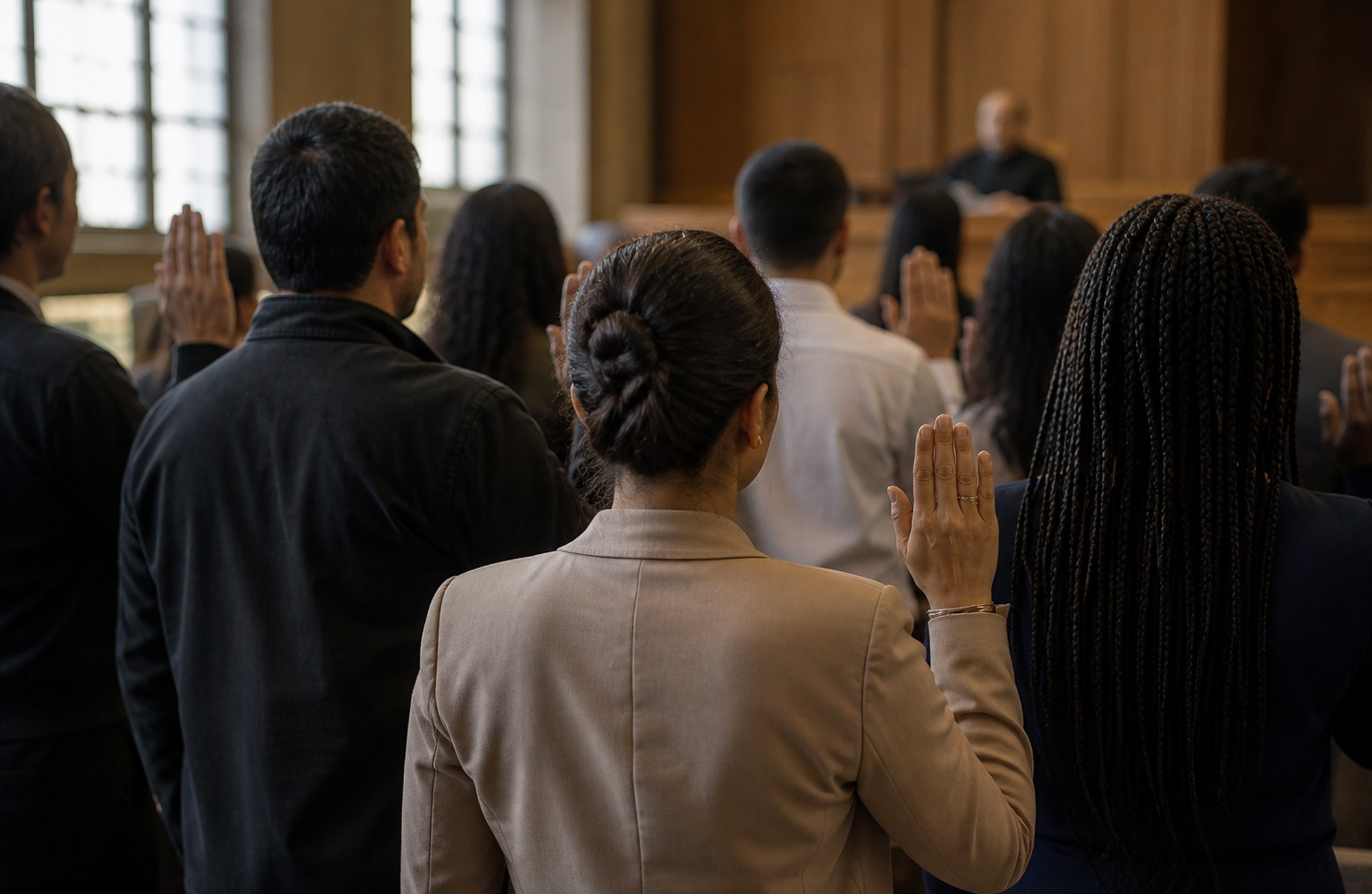
Step 6 — Oath of Allegiance The final step. You attend a naturalization ceremony — either the same day as your interview or at a scheduled ceremony — and take the Oath of Allegiance. At that moment you become a US citizen. Your green card is collected. Your Certificate of Naturalization is issued.
How long does it take
Processing times vary by field office and change regularly. In 2026 most applicants are seeing timelines of 8 to 14 months from filing to oath ceremony. Some offices are faster. Some are slower.
Premium processing is not available for naturalization. But there are steps you can take to avoid unnecessary delays — filing a complete and accurate application, responding quickly to any requests for evidence, and preparing thoroughly for your interview.
What can go wrong
Most naturalization cases go smoothly. But there are situations that can complicate or derail the process.
Extended travel outside the US If you have spent significant time outside the US — particularly trips of six months or longer — your continuous residence may be at risk. Absences of more than one year generally break continuous residence entirely unless you applied for a re-entry permit before leaving. We review your travel history carefully before you file.
Criminal history Good moral character is a legal requirement for naturalization. Certain criminal convictions — even old ones, even minor ones — can disqualify you or trigger a deeper review. If you have any arrests or convictions, tell us before you file. We will assess whether and how they affect your eligibility.
Tax issues USCIS officers ask about your tax filing history. Failure to file US taxes as a permanent resident is taken seriously. If you have gaps in your tax history, address them before you apply.
Prior immigration violations Misrepresentation on a prior application, periods of unlawful status, or other immigration violations can affect your moral character determination. These situations are not always disqualifying — but they need to be handled carefully.
Preparing for the civics test
The 100 civics questions are publicly available. USCIS provides study materials, flashcards, and practice tests on their website. Most people who study consistently for a few weeks pass without difficulty.
We provide our clients with a study guide and go through practice questions at the interview preparation stage. We want you walking into that room confident — not anxious.
After you become a citizen
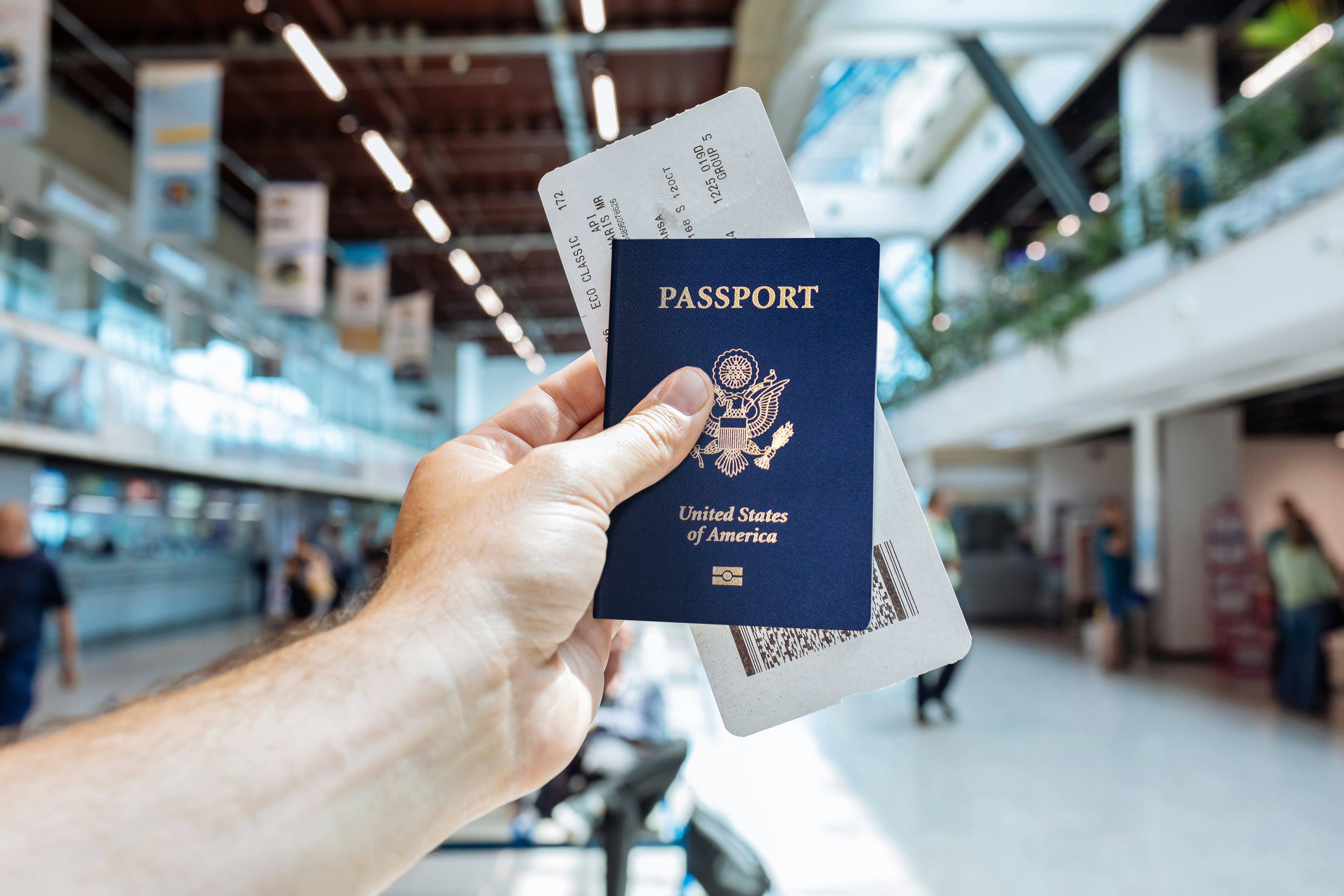
Apply for your US passport as soon as possible after your oath ceremony. You will need your Certificate of Naturalization to apply. A US passport is both a travel document and proof of your citizenship — keep it somewhere safe.
If you have children who were permanent residents when you naturalized and were under 18 at the time, they may have automatically acquired citizenship. We can help you obtain a Certificate of Citizenship for them — a document that proves their status without them going through the naturalization process themselves.
The bottom line
Naturalization is the finish line of the immigration journey. Most people who are eligible should apply. The benefits are significant and permanent — and the process, with proper preparation, is manageable.
If you are not sure whether you qualify, or if your situation involves any of the complications above, sit down with us before you file. A clear picture of where you stand is worth far more than a rushed application.

You don't have to figure this out alone.
A 30-minute conversation with one of our attorneys can save you months of confusion. There's no fee, and there's no obligation. Just clarity on what's possible.